


Introduction
Factories, workshops, and warehouses move liquids, powders, and pastes under constant pressure to save time and prevent waste. Packaging choices shape that flow more than many buyers expect. Empty metal drums give operators a dependable container for storage, filling, transfer, and return cycles. Their strength, shape, and chemical tolerance help teams reduce spills, protect stock, and keep loading areas orderly during busy shifts. This simple format supports safer planning across small batches and full-scale production runs.
Fit for Daily Flow
Procurement teams often need containers that match existing pumps, racks, and transport rules without slowing daily work. An empty metal drum fits that need because it can hold solvents, adhesives, coatings, and other regulated contents in familiar sizes. That consistency helps staff label goods quickly, stage pallets neatly, and refill lines with fewer handling pauses.
Stronger Outer Shell
Metal resists punctures better than many lighter containers during forklift contact or crowded pallet movement. That added protection can lower product loss and shorten cleanup work. Warehouses also gain steadier stacking, which supports cleaner aisles and fewer crushed packs near dispatch points.
Useful Size Coverage
Operations rarely run on one volume alone. Small units suit samples, maintenance fluids, or test blends, while larger options serve regular production demand. A broad size range lets planners align closures, labels, and storage methods without forcing every product into an awkward container choice.
Chemical Handling Value
Compatibility matters before any drum enters service. The referenced product range covers use with many chemicals, solvents, building products, and adhesives. Teams still need product checks, yet metal packaging often offers a stable option where vapour control, closure security, and spill prevention carry real weight.
Faster Filling Steps
Round bodies and common openings help operators connect funnels, pumps, or taps with less adjustment. Filling stations benefit from repeatable positioning, which trims wasted motion during each cycle. Shorter handling sequences can lift throughput across a shift, especially where the same liquid moves through several containers daily.
Safer Transfer Control
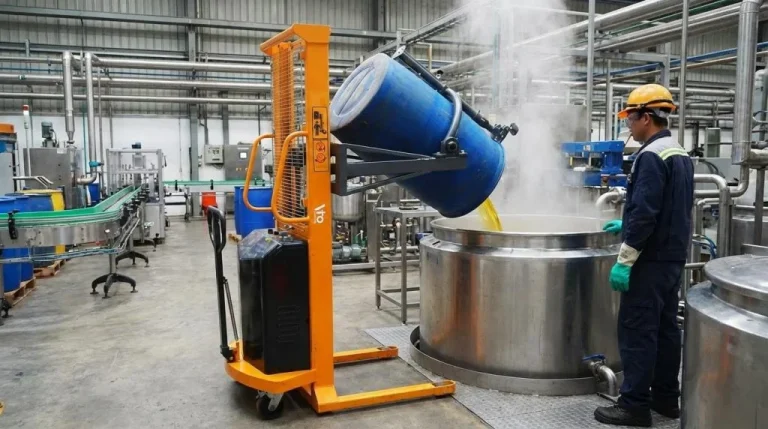
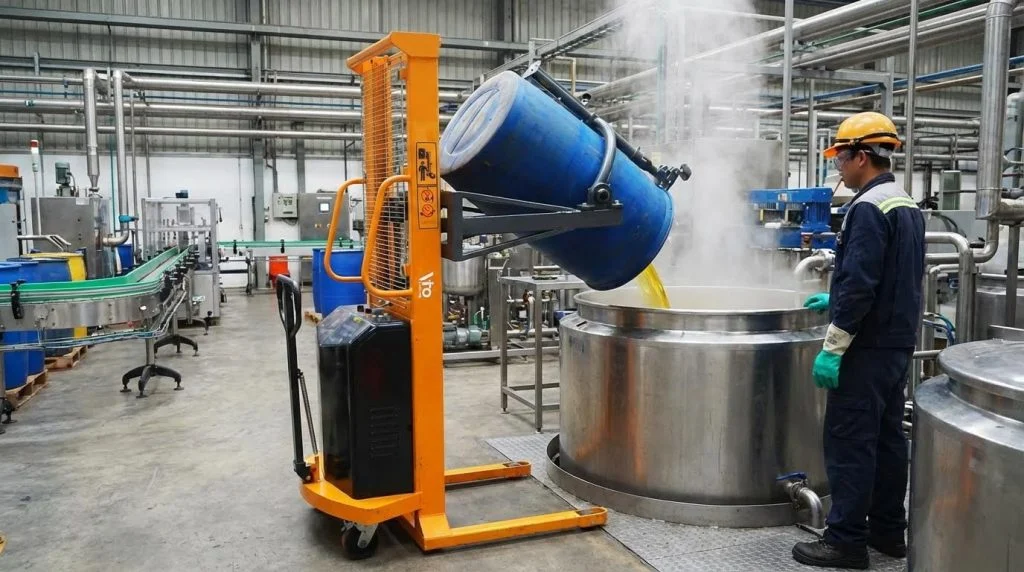
Closed heads, screw caps, bungs, and bail handles each support control during lifting and movement. Clear format choices help buyers match every unit with the right task. Better grip points and secure seals can reduce splash risk while stock travels from blend room to warehouse or customer vehicle.
Visual Safety Signals
The right drum can also carry warning marks that simplify site checks. Some metal units include flammable diamonds, while others keep a plain exterior for different stock needs. Visible signals help crews separate loads, verify labels, and respond faster during audits, receiving, and internal transfer work.
Lower Cost Per Cycle
Many businesses value containers that can return to service after cleaning and inspection. Metal holds shape well through repeated handling, which supports refill programs where policy allows. Longer service life spreads purchase cost across more cycles and may cut total packaging consumption over a full year.
Better Use of Space
Uniform cylindrical shapes use floor area efficiently on pallets and shelving. Predictable dimensions make slotting simpler for warehouse software and human pickers alike. With fewer awkward profiles on hand, teams can build neater loads, protect access lanes, and spend less time shifting stock to reach one item.
Common Use Cases
Small Quantities
Compact drums suit sample packs, touch-up materials, maintenance liquids, and site trials that need secure storage with easy handling.
Larger Demand
Bigger formats suit repeat fills, plant supply, and scheduled outbound orders where steady volume and tidy pallet layout matter.
Buying Points That Matter
Before purchase, teams should confirm closure type, internal finish, handle style, and fill capacity. They should also review transport needs, product behaviour, and cleaning plans. Careful selection prevents mismatch, reduces repacking, and keeps the handling chain smooth from receipt through final use.
Conclusion
Efficient material handling depends on container choices that support speed, safety, storage, and reuse without creating extra effort for staff. Empty metal drums meet that need through durable walls, practical sizes, secure closures, and dependable pallet fit. For businesses moving chemicals, coatings, adhesives, or maintenance liquids, they offer a clear way to improve daily flow, protect inventory, and keep operations better organised from filling lines to final dispatch.