

Independent living is rarely a single milestone. It is a gradual shift in how a person manages meals, hygiene, appointments, transport, rest, and social contact. Providers support that shift by turning funded supports into usable daily routines. Safe practice, clear communication, and steady review matter as much as formal planning. When those pieces work together, participants can gain stronger personal control, better household stability, and greater confidence in familiar settings.
Planning Daily Life
Daily independence begins with careful planning around ordinary tasks that often decide whether a week feels manageable or exhausting. A service such as an NDIS Provider in Dandenong may help organise shopping, medication prompts, travel timing, meal preparation, and personal care in a realistic order. That kind of structure reduces missed steps, lowers stress within the home, and gives participants a clearer sense of what can be handled each day.
Building Practical Skills
Practical skill building works best through repetition, pacing, and clear demonstration. Support workers may guide food preparation, laundry, cleaning, money handling, or basic home safety in short, achievable stages. One person might practise using kitchen equipment without fatigue. Another may focus on memory cues for medication or hygiene. Measurable progress in these areas often improves confidence because success becomes visible in ordinary household routines.
Strengthening Decision-Making
Independent living also depends on decision-making that is informed, calm, and realistic. Providers can help participants compare options for housing, support hours, social activities, and weekly goals without pressure. Good support does not replace personal choice. It helps clarify likely outcomes, risks, and limits within available funding. That process often eases family strain and gives the participant stronger ownership over daily direction.
Support at Home
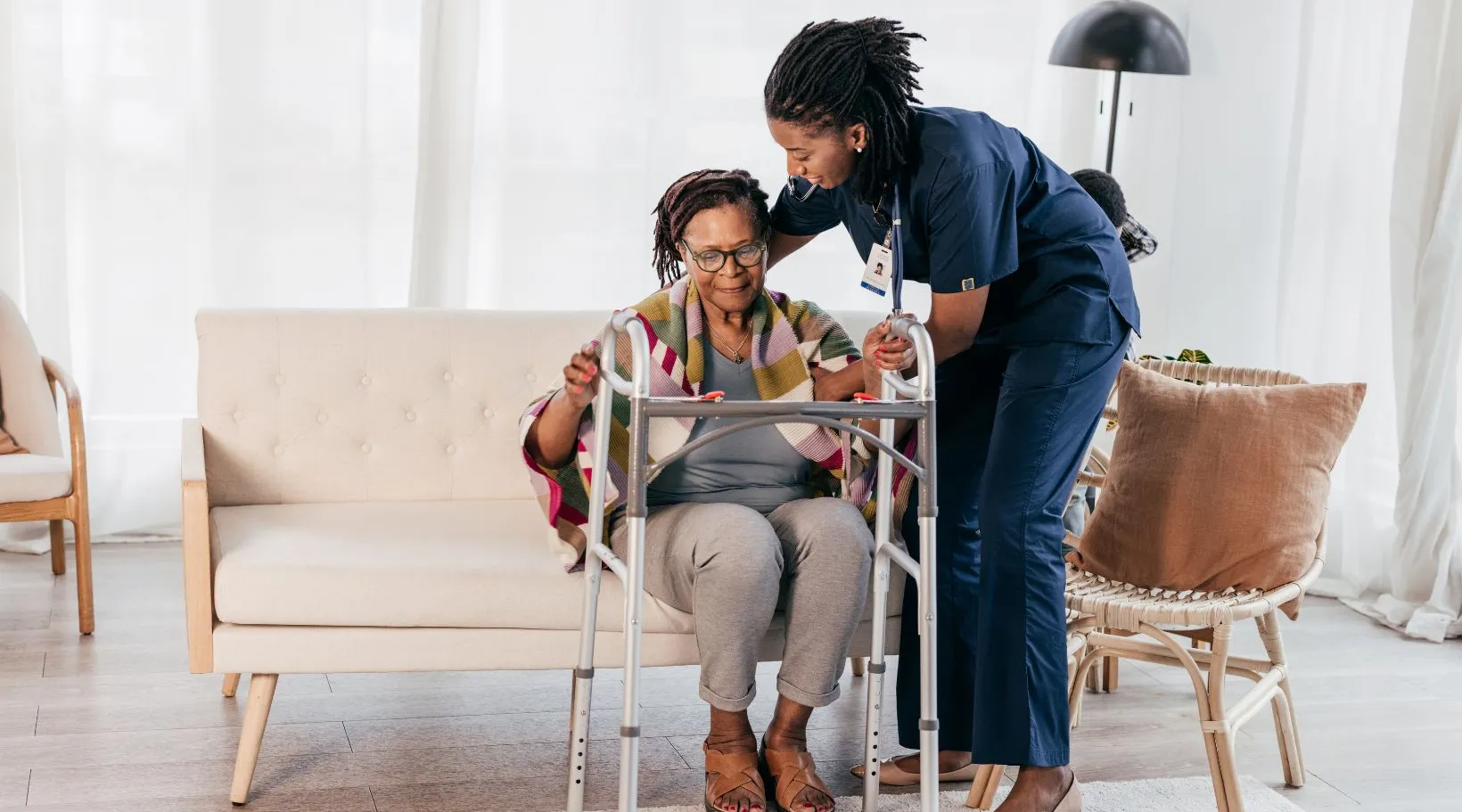
Home support can protect energy for the parts of life that matter most to a participant. Assistance with dressing, showering, meal preparation, cleaning, or mobility may reduce physical strain and prevent avoidable setbacks. Some people need help only at pressure points, such as mornings. Others require closer supervision for safety. Reliable routines often improve sleep, nutrition, and household order, which supports steadier progress elsewhere.
Housing That Fits
The physical setup of a home has a direct effect on independence. Narrow pathways, poor bathroom access, or unsafe kitchen layouts can limit movement and increase injury risk. Providers may assist with supported independent living, short-term accommodation, or housing options that better match functional needs. A suitable environment allows participants to practise tasks with less pain, fewer hazards, and greater privacy, which can strengthen daily confidence.
Community Connection
Living well at home includes being able to leave it with purpose. Providers may support travel training, community access, attendance at health appointments, or participation in social groups. These experiences are not optional. They help maintain confidence, reduce isolation, and support emotional well-being. Regular contact with local places and familiar people can also improve orientation, routine tolerance, and readiness for more independent movement over time.
Health and Wellbeing
Physical and emotional health and mental wellbeing shape every independent living goal. Providers often help participants keep appointments, follow treatment plans, and maintain routines that support rest, hydration, nutrition, and mobility. Some people also need close support during periods of anxiety, low mood, or sensory overload. Early attention to these patterns can prevent avoidable decline. Better health usually gives participants more capacity to learn, plan, and manage everyday demands.
Working With Families
Families often carry deep knowledge about a participant’s needs, stress signals, and daily preferences. Providers can use that knowledge well by sharing updates, clarifying routines, and agreeing on realistic priorities. Consistent communication helps prevent mixed expectations across home and formal support settings. It also reduces the risk of over-assistance, which may limit skill growth. Clear teamwork often creates a steadier path for everyone involved.
Measuring Progress
Progress in independent living is usually easiest to see in specific tasks, rather than broad statements about confidence or ability. Providers may track whether a participant can prepare breakfast, manage a morning routine, travel one route safely, or complete household jobs with fewer prompts. Small changes matter because they reflect real function. Review points also allow support plans to adjust when health, stamina, or living circumstances change.
Skills for the Long Term
Long-term independence grows through repetition that is steady enough to build trust, yet flexible enough to match changing needs. Providers support that balance by keeping goals practical and reviewing routines before problems become entrenched. A participant may gain one skill, then need help holding it during illness, housing change, or family stress. Continued support protects progress and makes it easier to regain momentum after disruption.
Conclusion
NDIS providers support independent living by linking funded care with the physical realities of home, health, and community life. Their work often includes routine planning, household assistance, skill teaching, health support, and regular review of what is actually working. Each area contributes to safer function and stronger personal choice. With consistent guidance, participants can build patterns that feel stable, realistic, and sustainable across everyday life.